
This month I quickly attended the AWS Summit 2023 and here are my highlights from the conference:
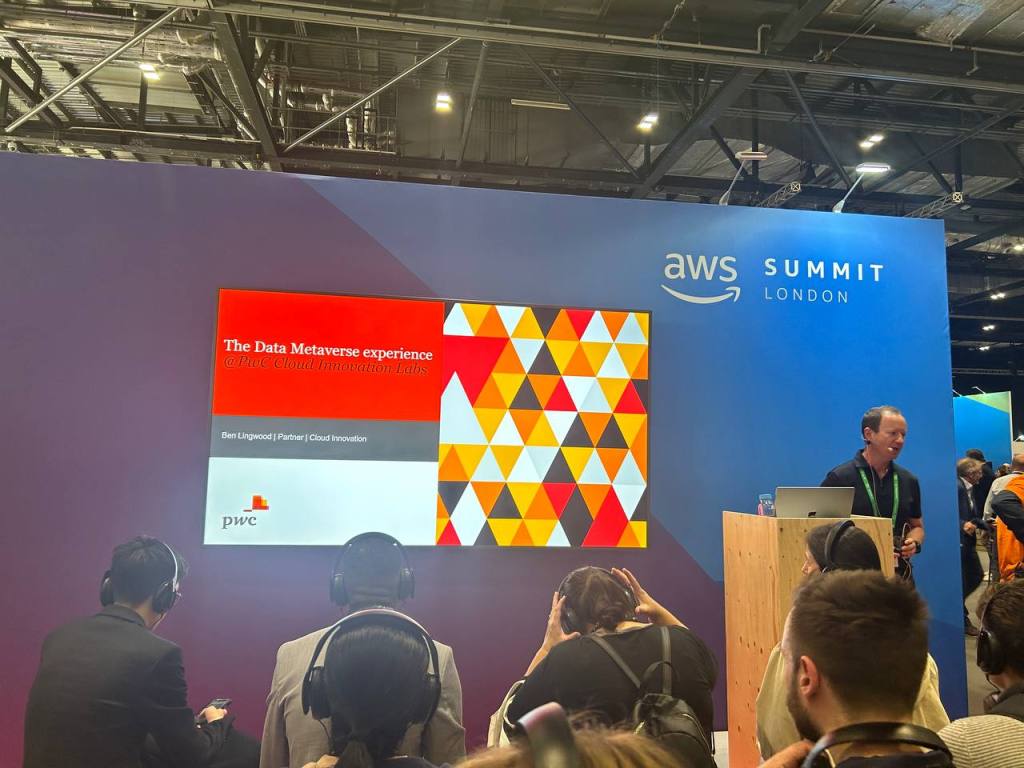
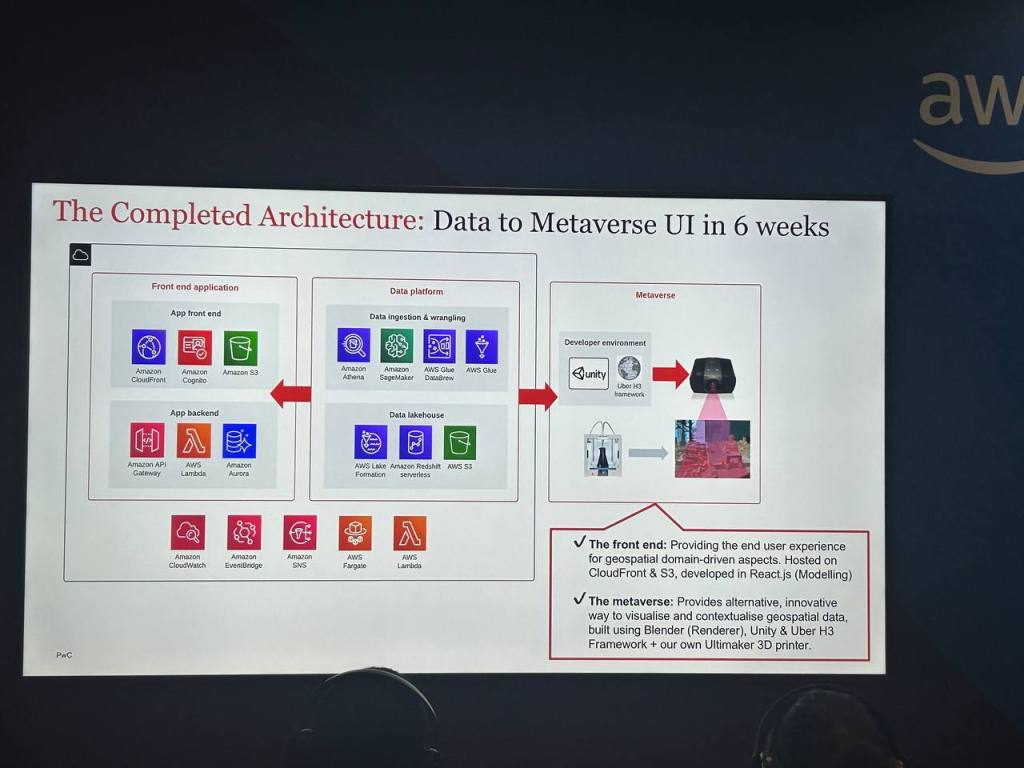
The Data Metaverse Experience
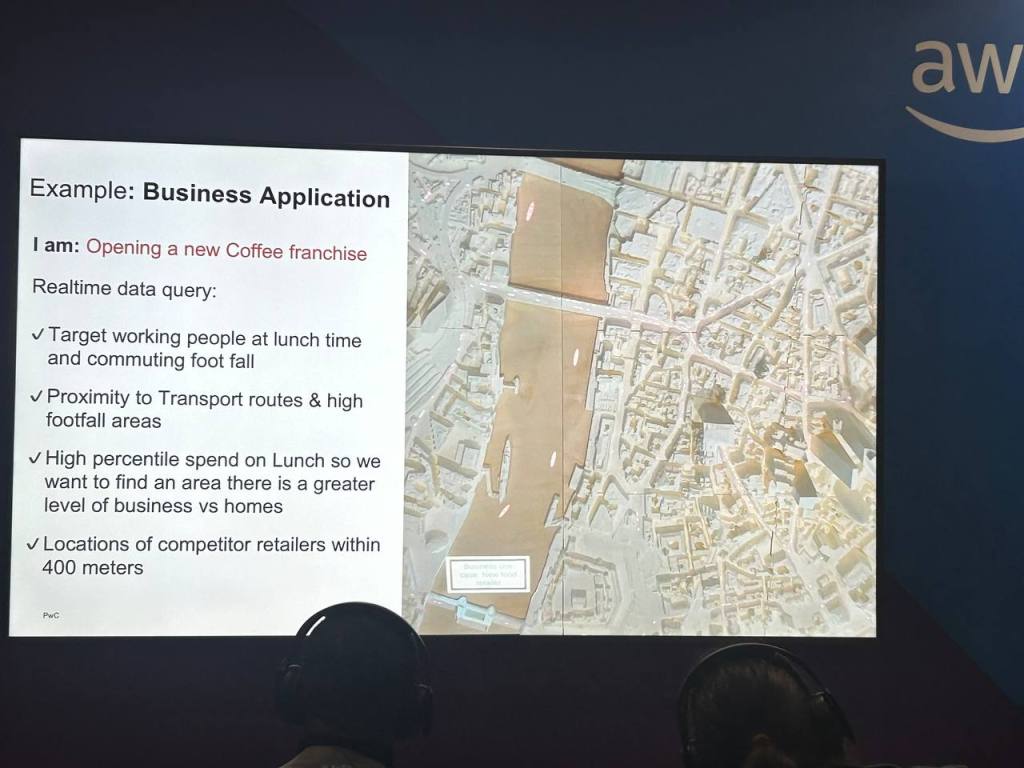
- The metaverse is relevant to businesses, with several concepts and technologies already being utilised, like PWC is able to see what is the best place to start a coffee shop as they have enough data to show where the competitors are, business around where people go out for lunch, nearest public transports.
- Enterprise applications, such as employee training and simulating operations, are currently leading the way in metaverse adoption.
- The metaverse may experience cycles of boom and bust, similar to other innovations like AI and the internet.
- It’s possible to separate the reality from the hype and take practical steps to meet your company’s metaverse needs.
- The metaverse promises a realistic 3D digital world with persistent elements and decentralized control.
- Business implications include virtual reality visualization, enhanced customer experiences, and parallel production in physical and virtual environments.
- Companies are already using the metaverse for employee recruitment, collaboration, digital twins, customer experience enhancement, and marketing/selling virtual products.
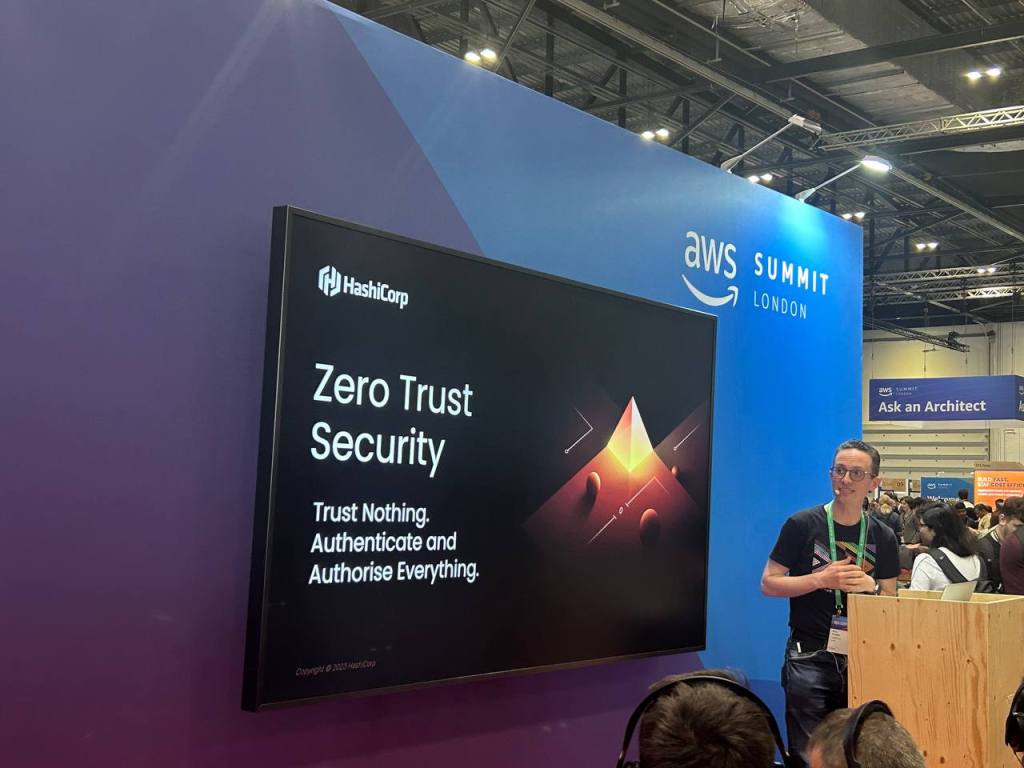
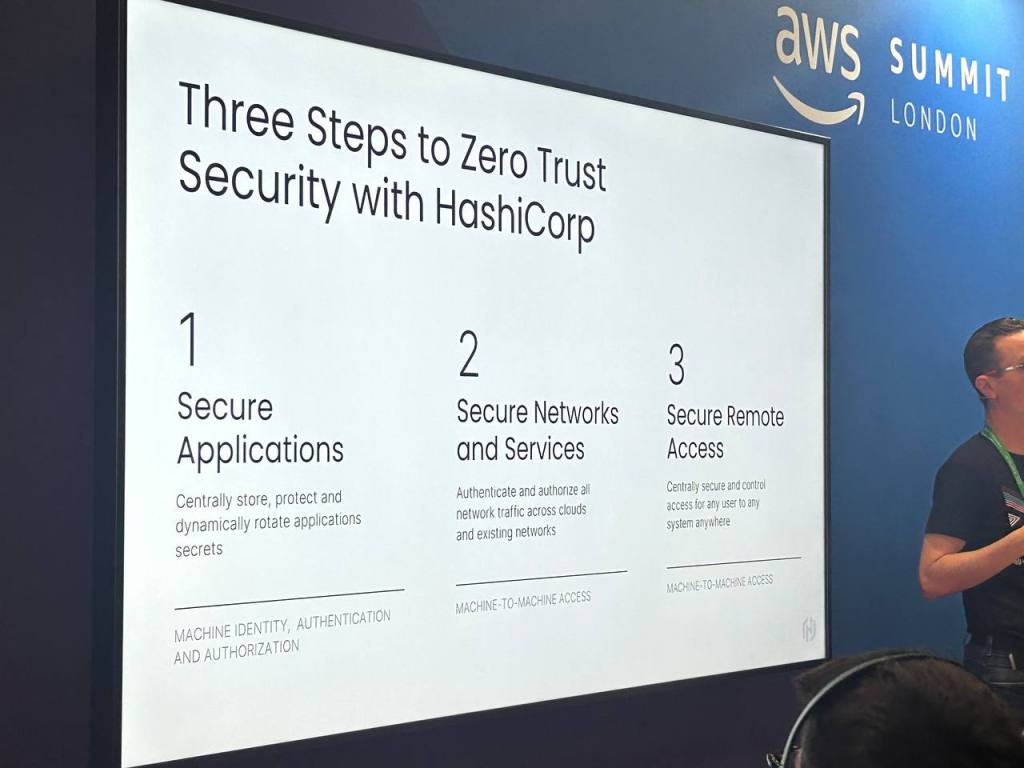
DON’T TRUST ANYONE
- First, just sharing some worrisome statistics, so you can understand how security is important:
- There is a hacker attack every 39 seconds.
- Russian hackers are the fastest.
- 300,000 new malware is created every day.
- Multi-factor authentication and encryption are the biggest hacker obstacles.
- You can become an American citizen for $6,000.
- The average cost of a data breach in 2022 was $4.35 million, an increase of 2.6% from the previous year and 12.7% since 2020, according to the 2022 Cost of a Data Breach Report by Ponemon Institute.
- The cybersecurity budget in the US is $14.98 billion.
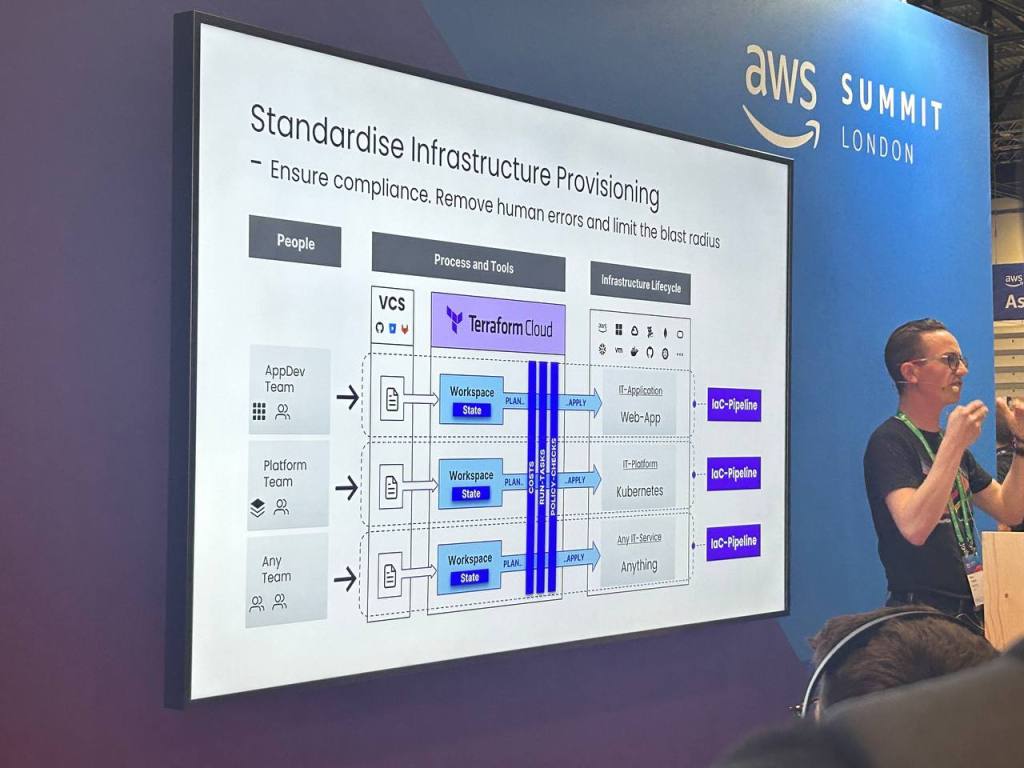
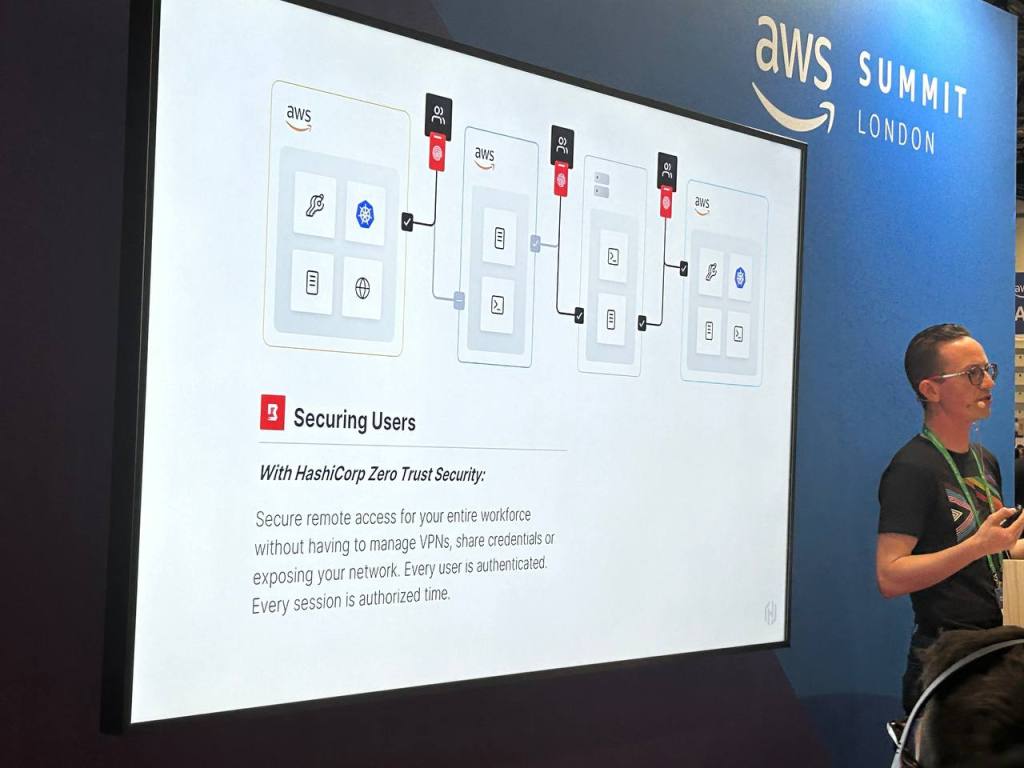
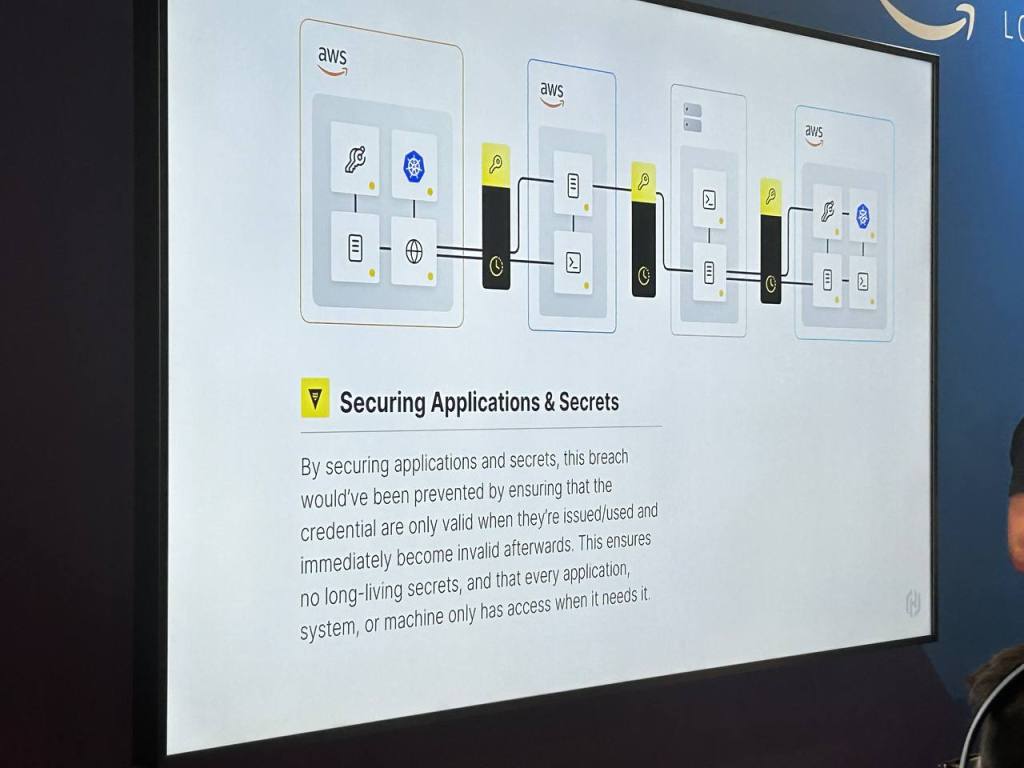
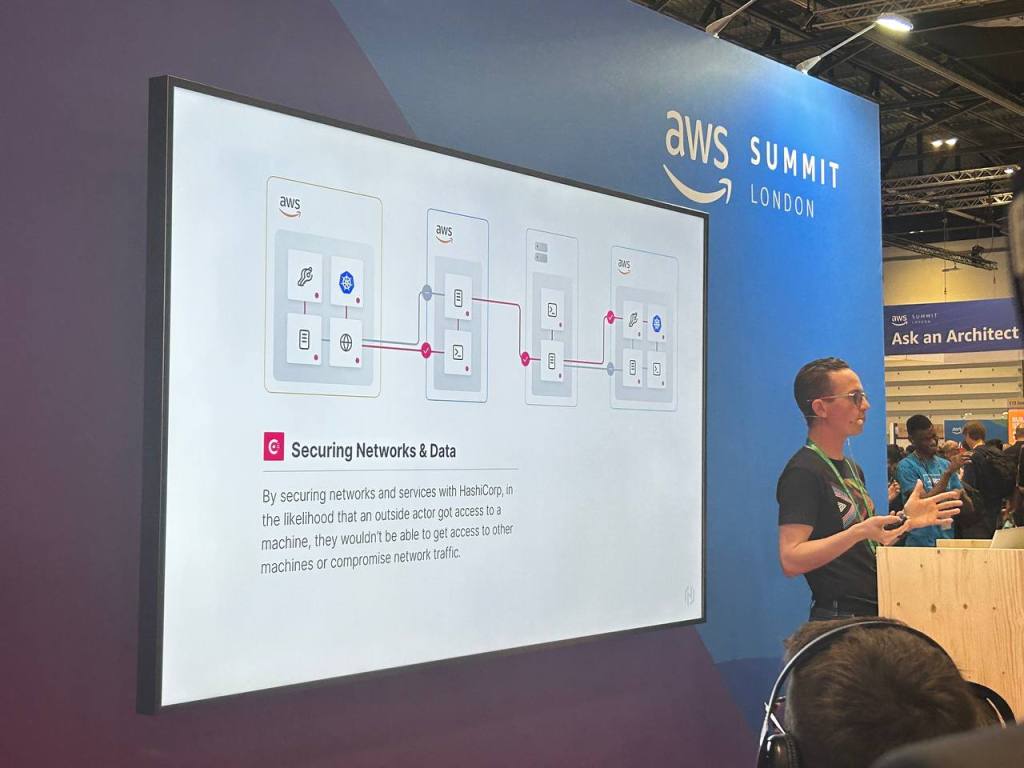
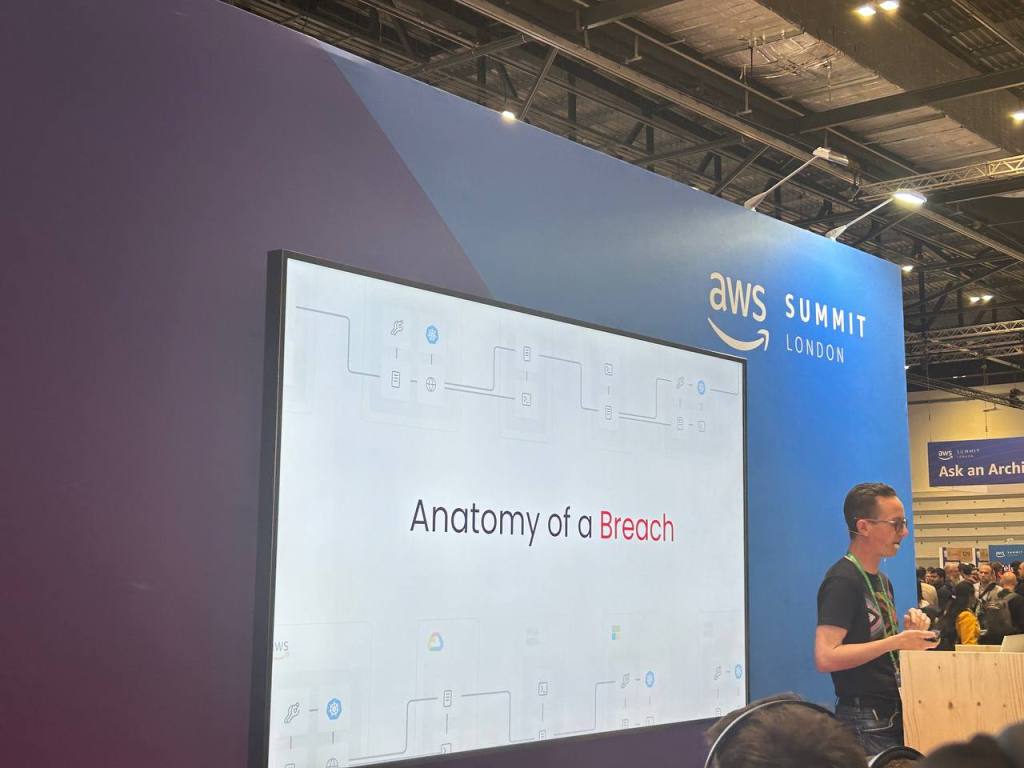
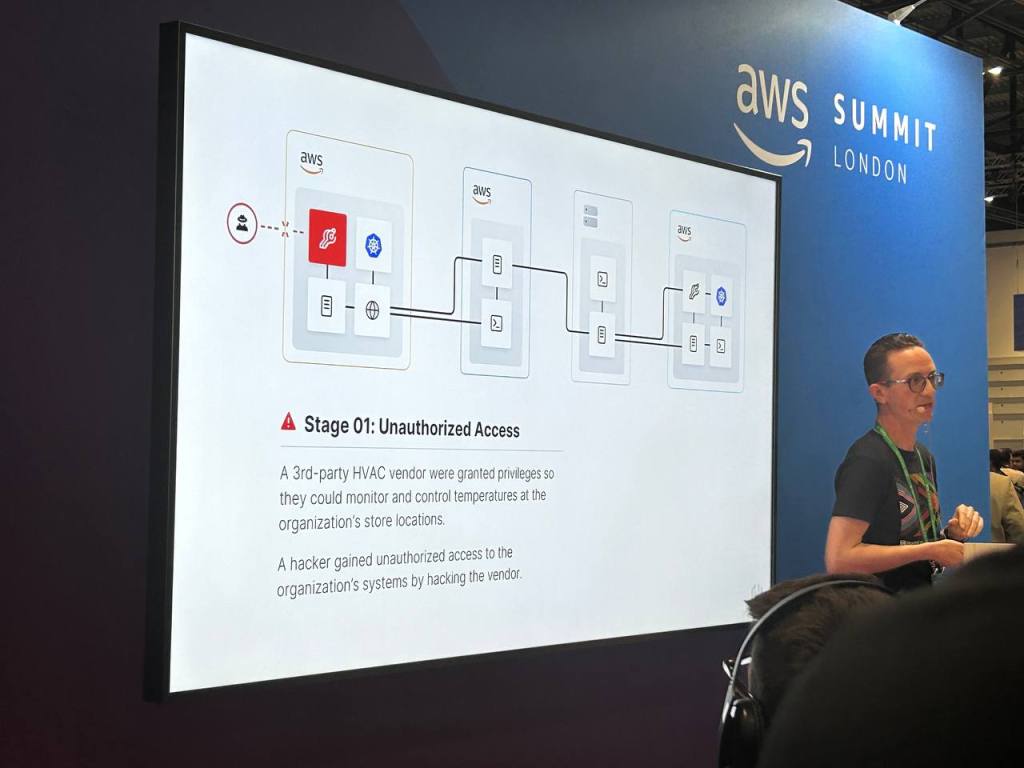
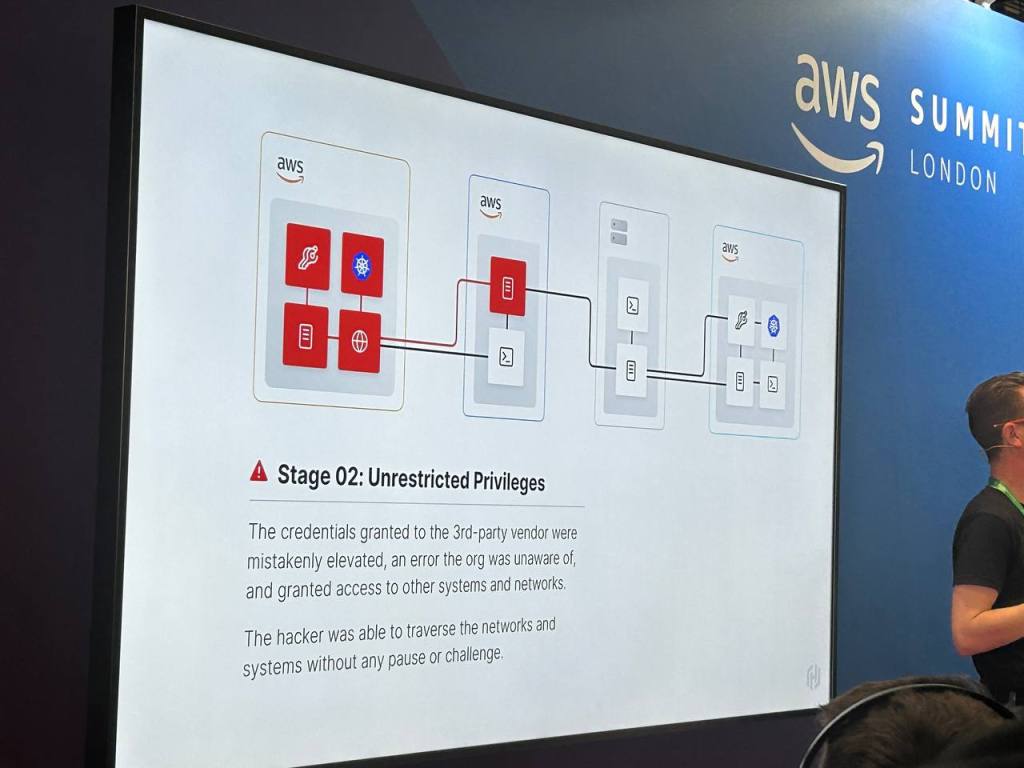
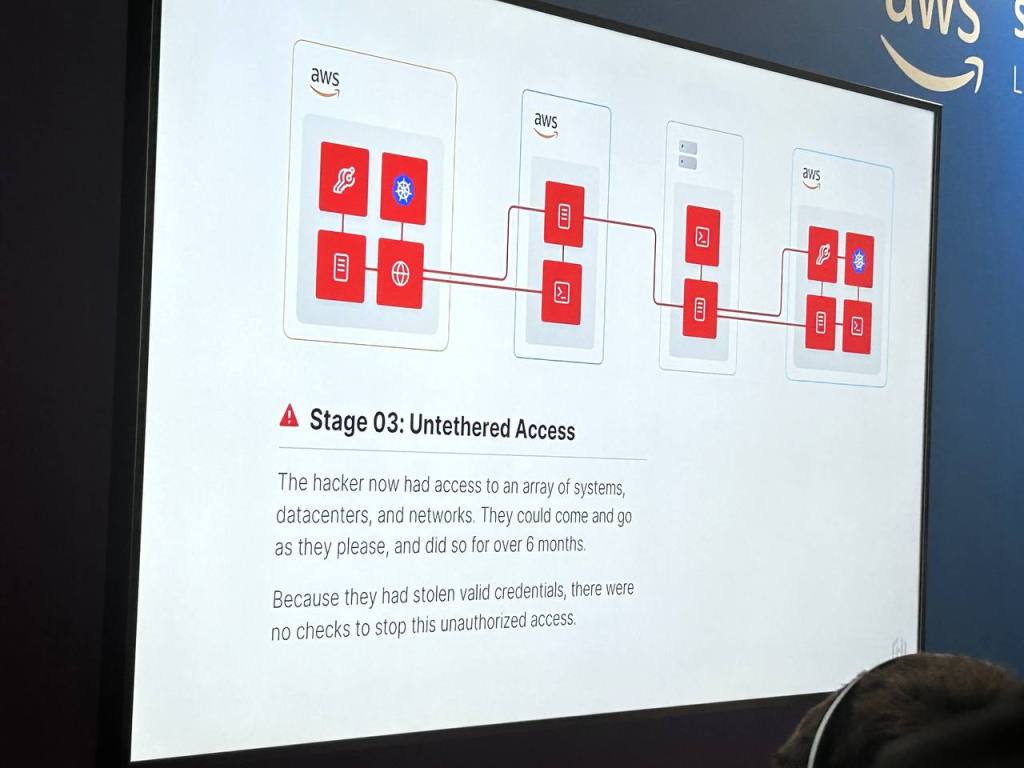
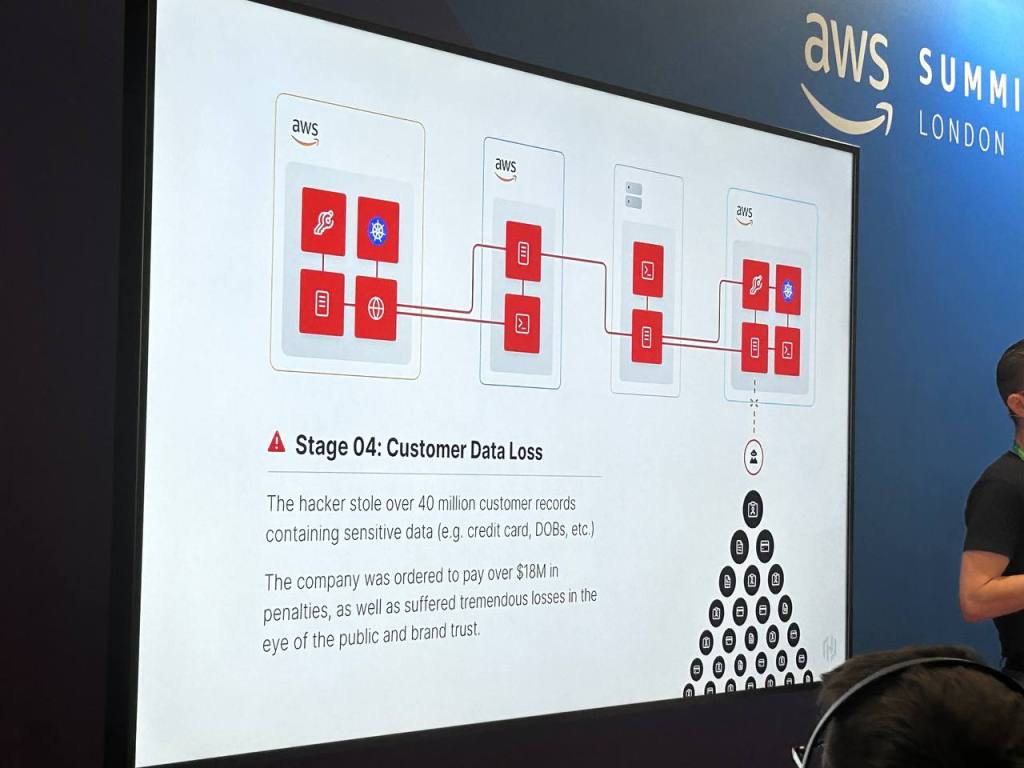
- Hashicorp, showed what is the anatomy of a breach, how long a hacker might spend to get access to your system and how.
- Be sure you limit humans interactions so you remove the errors.
- Frequent rotate your tokens and make sure you request for the access in between stages.
- (This was not in the talk, but nice tip) If you are curious about how social engineering is able to by pass access easily in companies, I recommend The Art of Deception book, it is unbelievable how people are so eager to help others and not be a burden they just give information away even if it is not following the protocol.
Make business and tech people happy
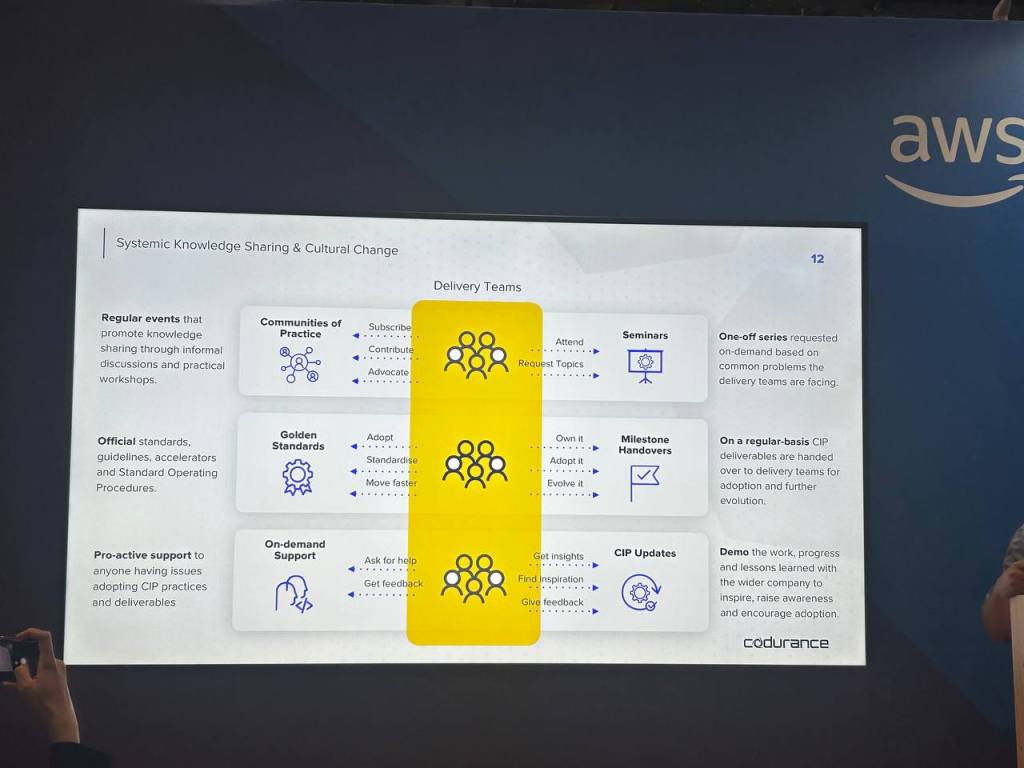
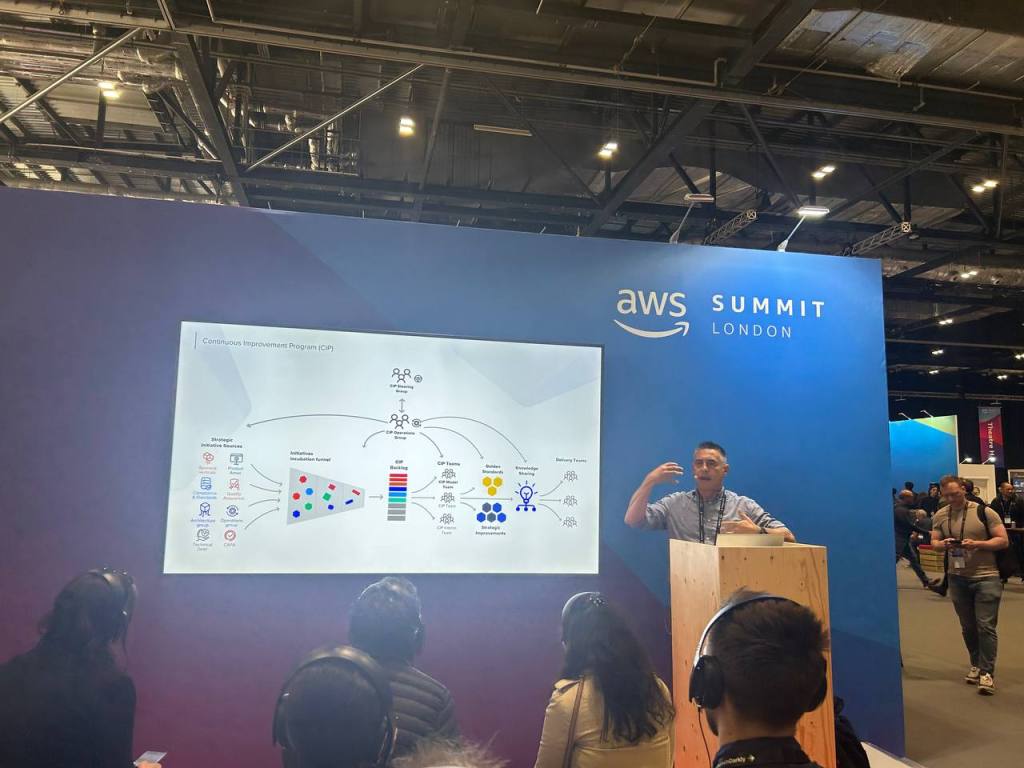
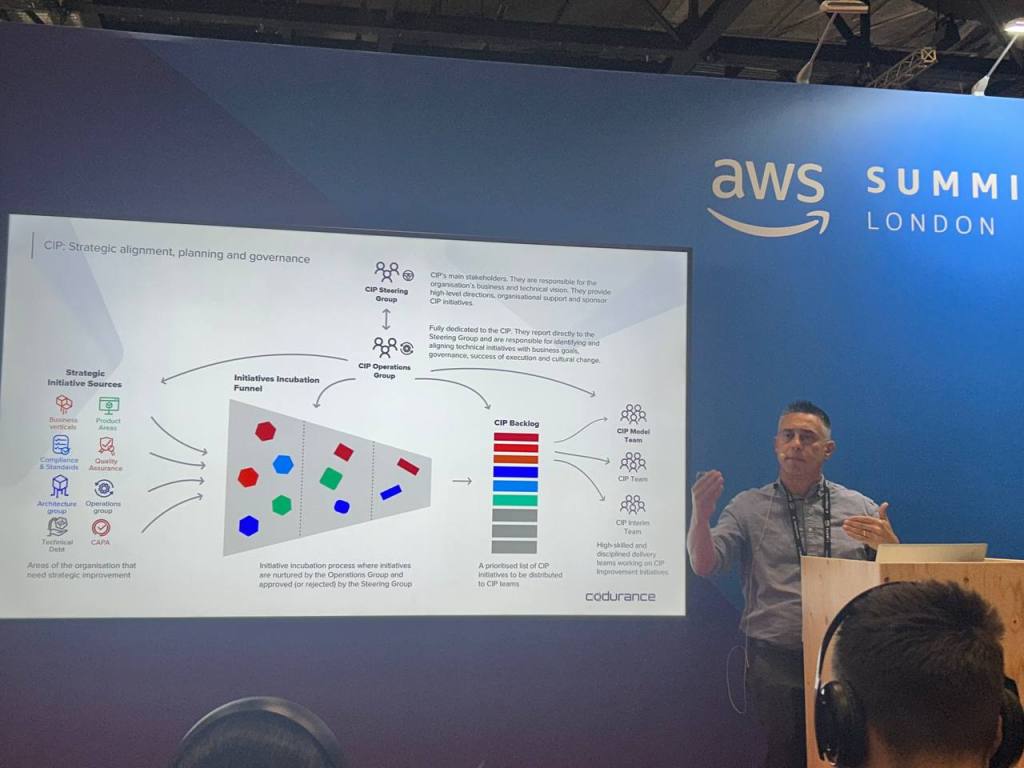
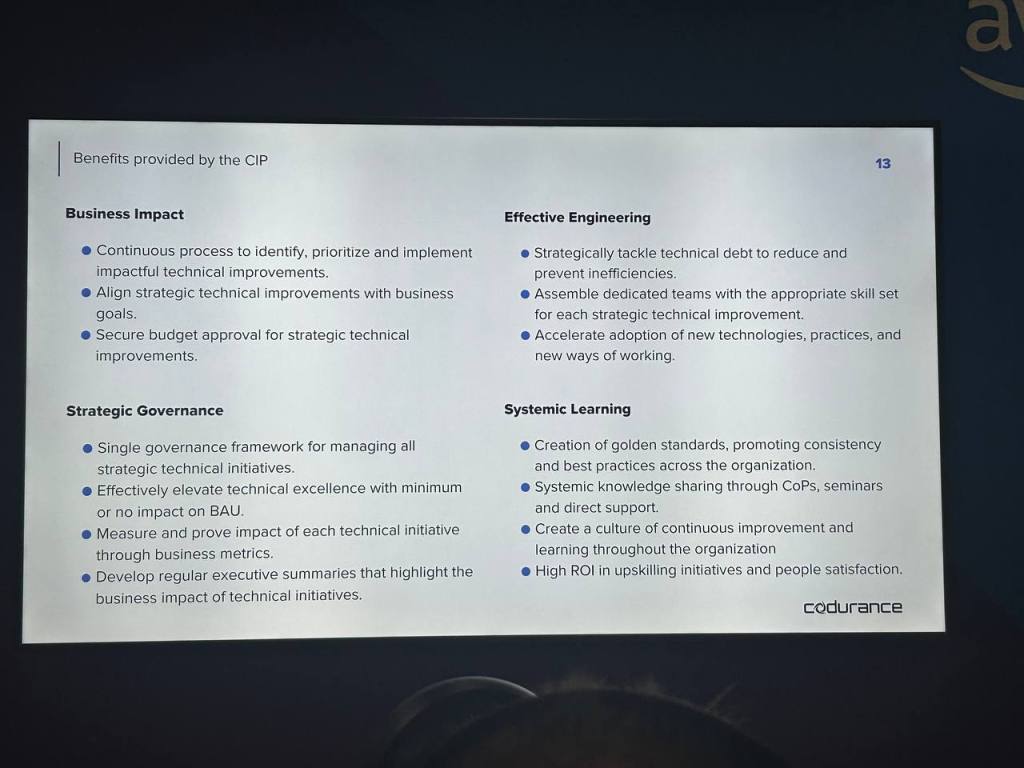
- Community practice is extremely important, so if you are delivery lead be sure you promote regular knowledge sharing sessions, so people can contribute and also advocate for it.
- All the teams need to follow some standards so they can move faster and the learning curve is not too long.
- Tackle the tech debt to prevent and reduce inefficiency.
- Promote webinars among the teams and also demos so people feel inspired to adopt and more aware of the updates.
- All of these points will create a continuous improvement culture, were people feel they can take initiatives and feel more satisfied with their work.
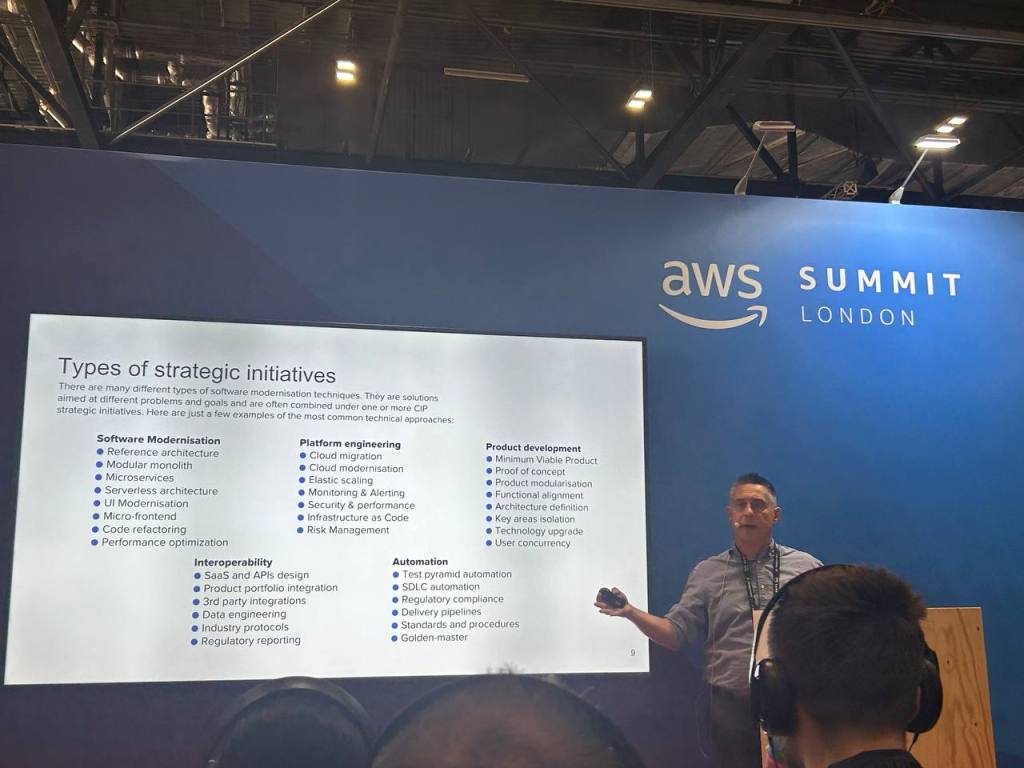
- Align strategic technical improvements with business goal (This is kind obvious 😂 Try to make everyone happy and find a middle ground)
- Continuous process to have technical challenges in the team. You know software engineers love to learn, this is what drives most of us.
- Measure and prove impact of each technical improvement with metrics, and make sure it has minimum or zero impact on BAU.
And of course free lunch and coffee !! Joking, I didn’t even have lunch on that day 😂 Couldn’t watch all the talks I wanted, but was amazing to connect with like minded people, refresh my mind and learn new things!
 Rafaela Azevedo